Can you make bricks without electricity?
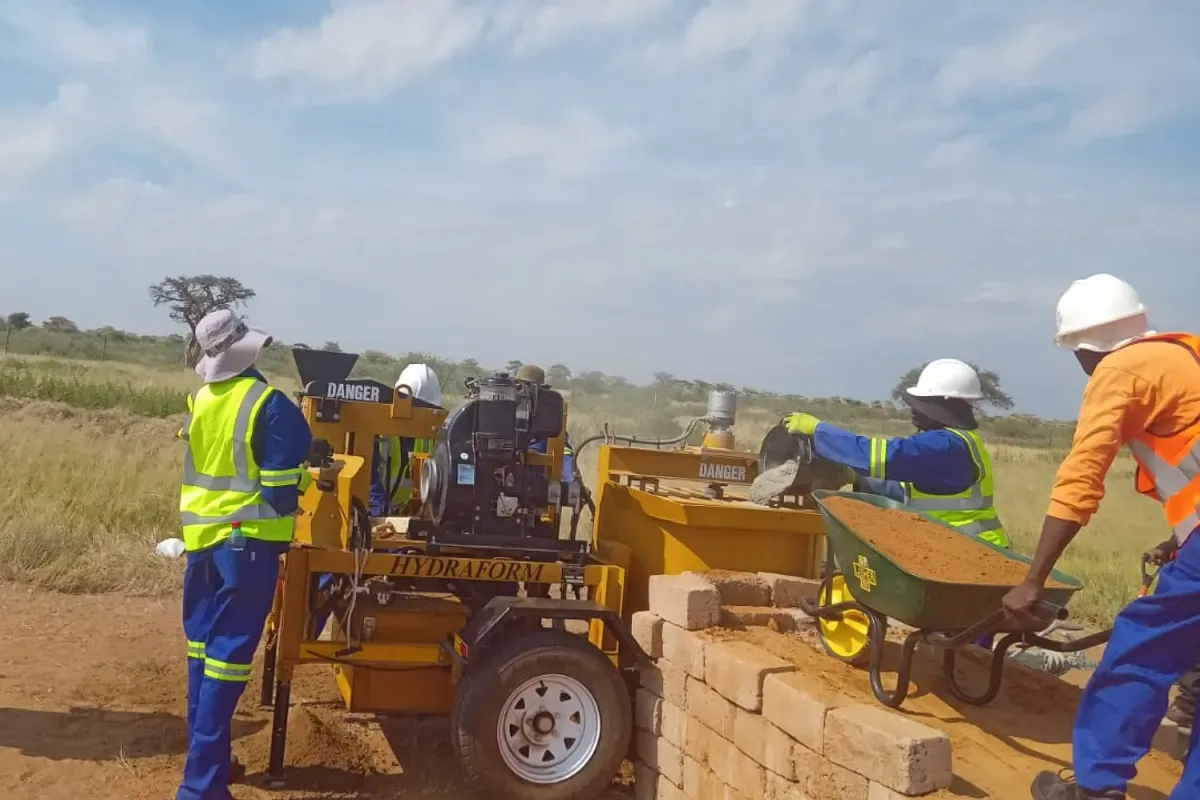
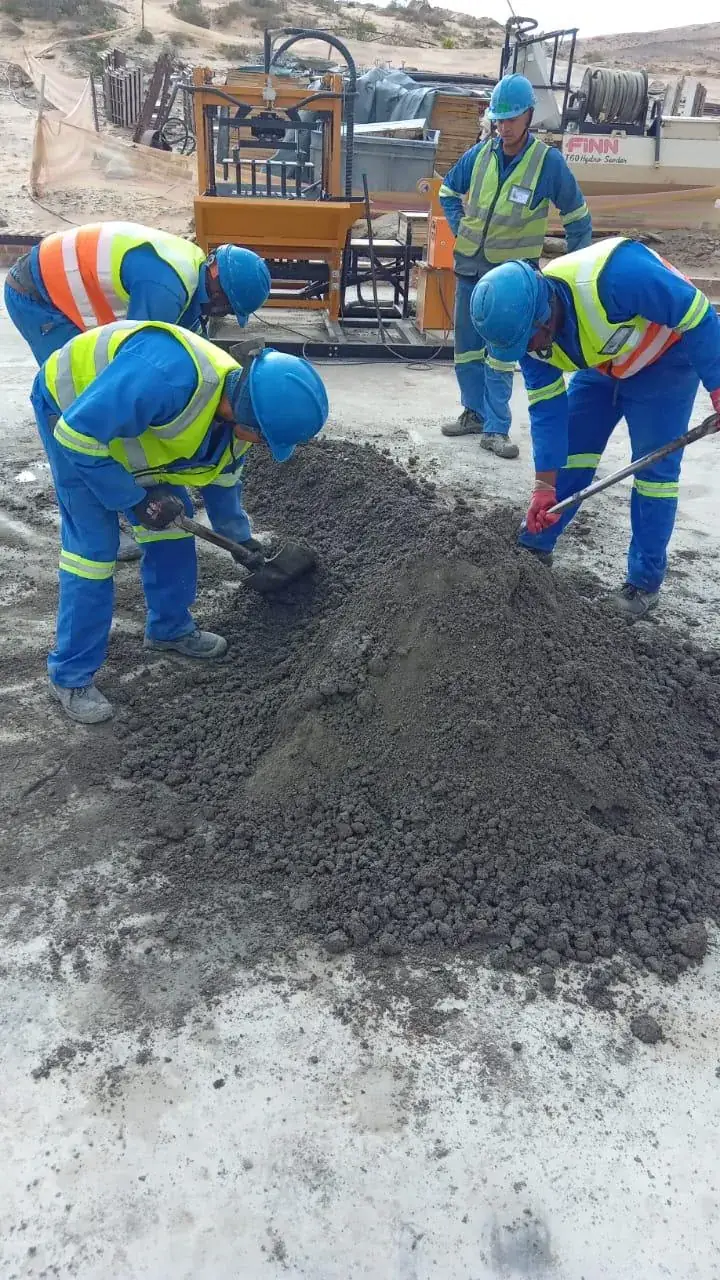
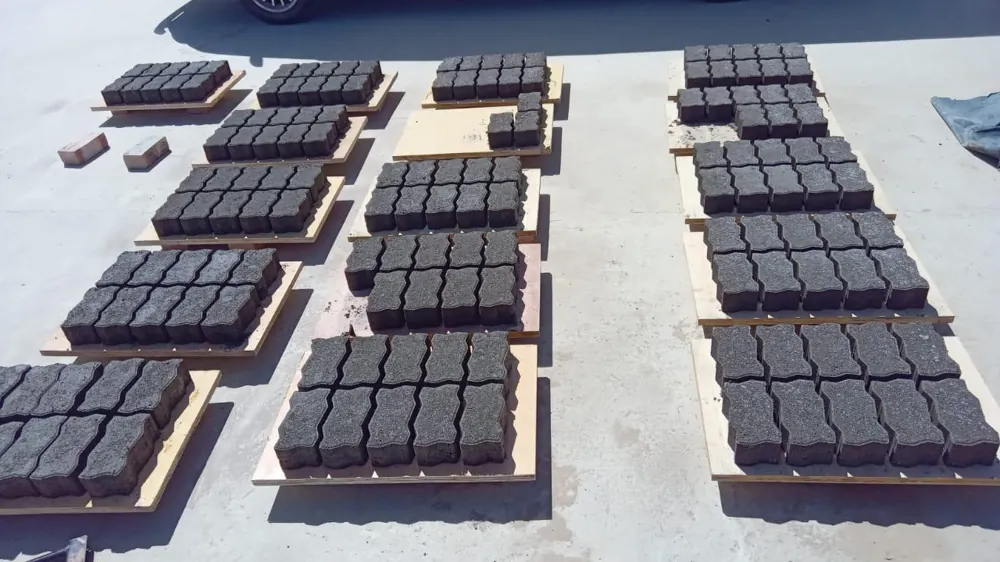
Yes. Hydraform diesel brick and blockmaking machines run on a diesel engine rather than a mains supply, so block production does not depend on a grid connection. The engine drives a hydraulic press that compresses local soil and about 10% cement into interlocking blocks. Because the blocks cure in hydration process rather than being fired in a kiln, no part of the process needs mains power.
Which Hydraform machines are available as diesel?
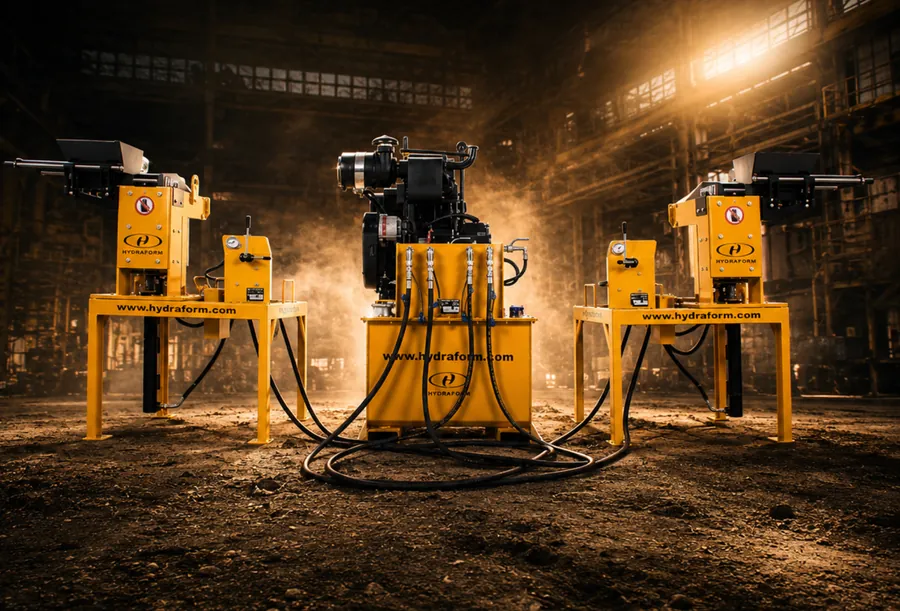
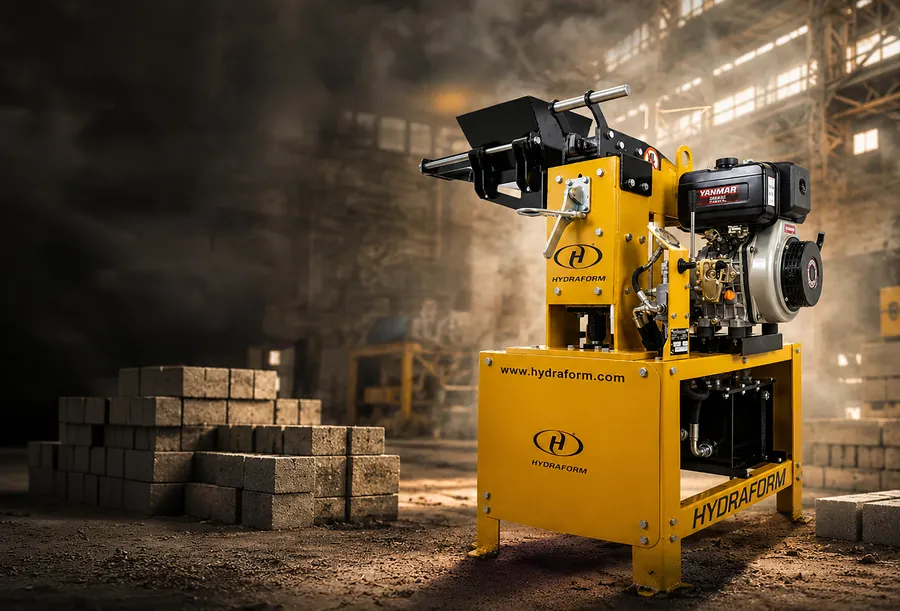
6 interlocking blockmaking machines are available with a diesel engine: M7M3, M7 Mobile, M7 Stationary, M7M1 Super, M7M3-1, M9. Outputs run from 500–700 blocks per 9-hour day up to 3,400–6,000 blocks per 9-hour day.
How many blocks a day can a diesel machine produce?
Between 500 and 6,000 blocks in a 9-hour day, depending on the machine, the soil and the crew. The smallest diesel machine is the M9; the largest is the M7M3.
Is a diesel machine mobile?
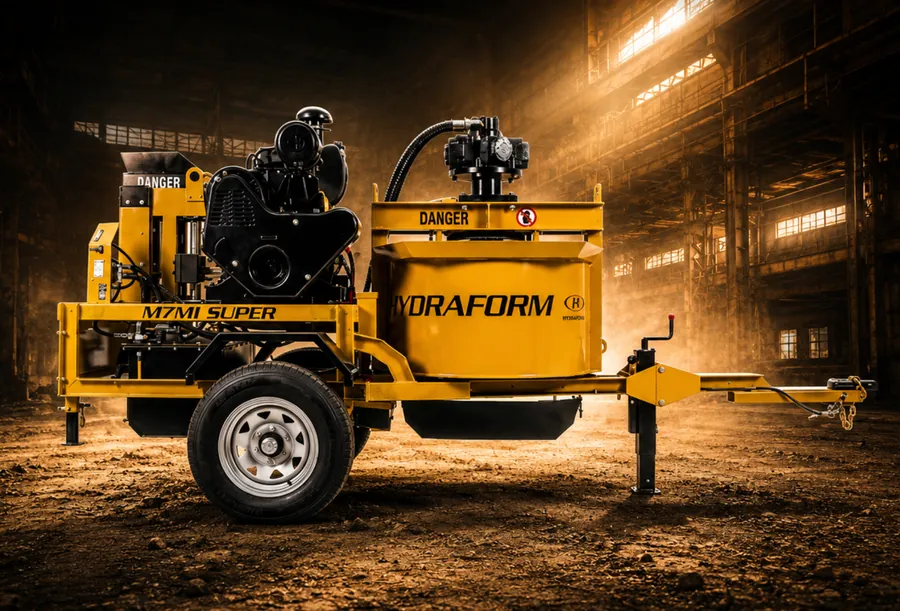
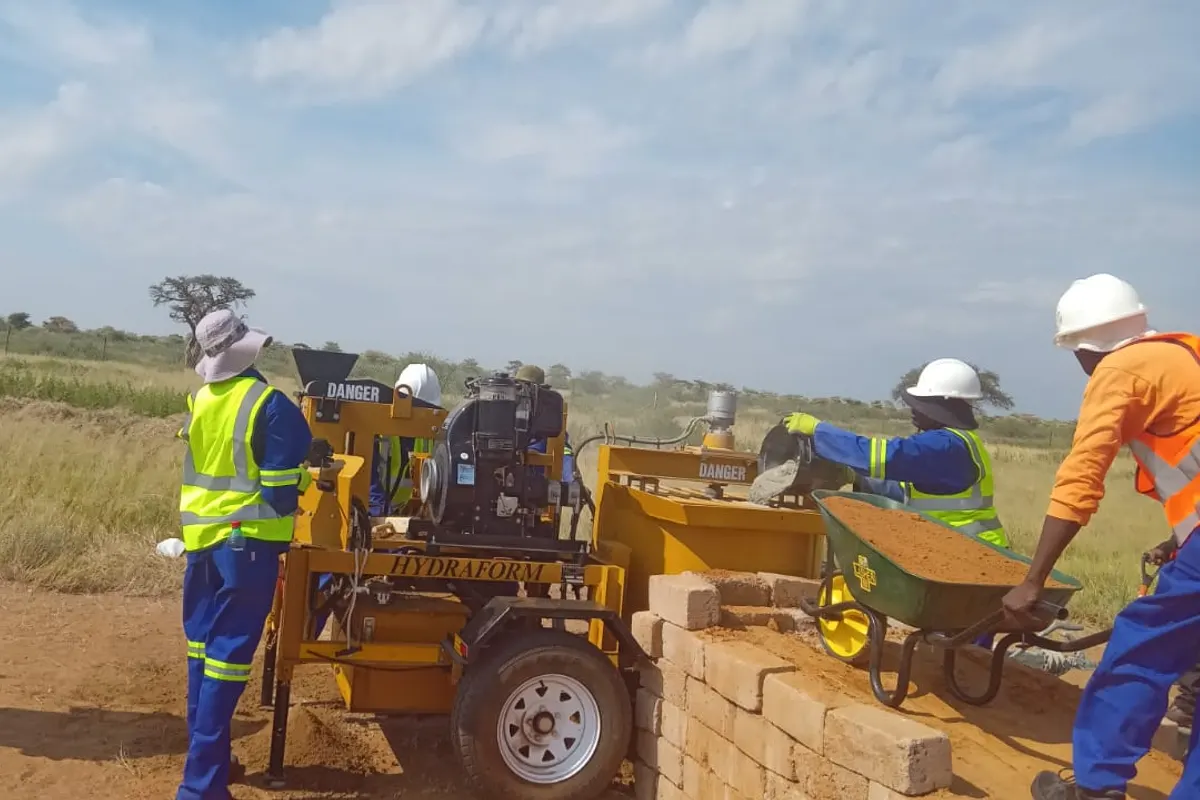
Some are. M7 Mobile and the M7M1 Super are towable, so the machine travels to the material and the build rather than the other way round. M7M3, M7 Stationary and M9 are stationary machines suited to a fixed yard or a long-running site.
What does the machine cost to run?
Fuel consumption and cost per block depend on the machine, the engine load and local fuel price. Hydraform can give you the consumption figure for the specific machine and a working cost estimate for your location — ask for it with your enquiry and we will send it with the quotation.
Is diesel a green choice?
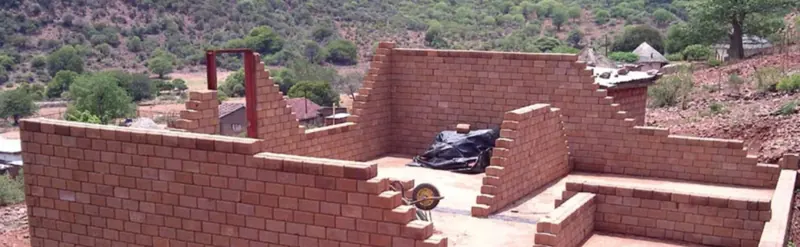
The environmental case for this system is the building method, not the fuel. Blocks are pressed from soil already on site, use roughly 10% cement, need no kiln firing and use far less mortar, which is where the material and transport savings come from.
Who actually needs a diesel brick making machine?
Anyone producing blocks where mains power is absent, unreliable or uneconomic. In practice that is: entrepreneurs starting a block business in a rural or peri-urban area; NGOs and development programmes building in remote districts; government housing programmes running decentralised production across districts; contractors and property developers who cannot let load shedding stop a build programme; farmers and agricultural developments building stores, sheds and worker housing; mines building accommodation and Social & Labour Plan infrastructure beyond the supply chain; and communities rebuilding where the infrastructure itself is damaged.
Can I run a block business off-grid as a commercial operation?
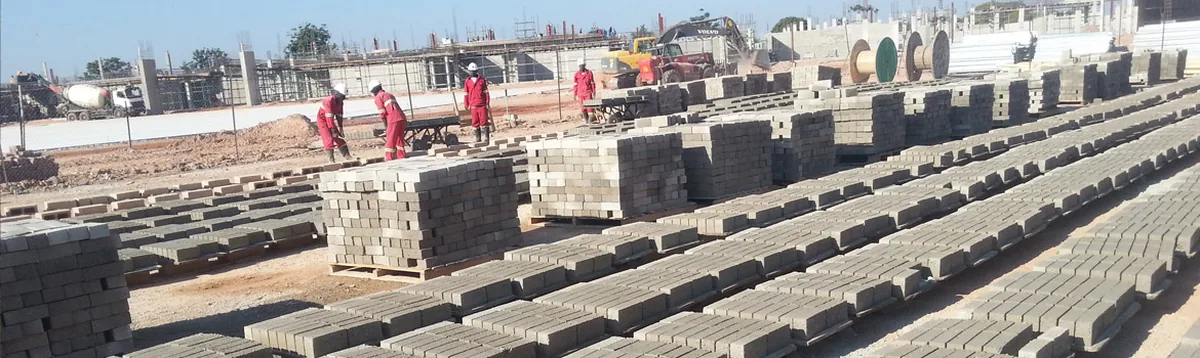
Yes, and many do. A diesel machine lets a yard quote reliable delivery dates because production is not exposed to outages. The commercial questions are the same as any yard — demand, soil, cement supply and cash flow — with the power risk removed. The M9 is the usual entry point; the M7 range is where a yard goes when it needs volume.
What if the site has no road access or is across a border?
That is the normal case in these markets, not the exception. Hydraform has a dedicated logistics team that arranges the shipping and the clearing at the destination so the machine, its moulds and its spares arrive together and arrive cleared. Tell us the destination and the timeline when you enquire and the team works back from it.
Do the blocks still meet standards if they are made off-grid?
Yes. The block is the same block. Hydraform interlocking blocks carry Agrément Certificate 96/237 issued by the CSIR, and the system meets SABS and NHBRC requirements in South Africa. Nothing about the power source changes the product.
What support comes with a diesel machine?
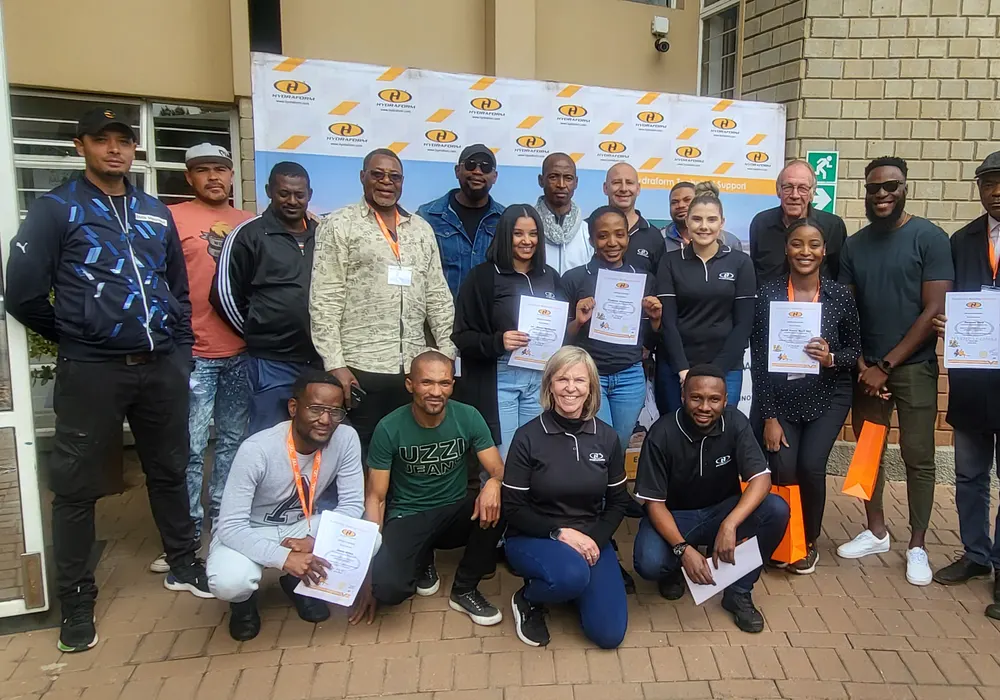
Every Hydraform brick and blockmaking machine carries a 12-month warranty on defects, parts and workmanship. Operator training is available at the Training Academy or on your own site, and Ground Support puts a specialist alongside your team through the first production phase.
 French version